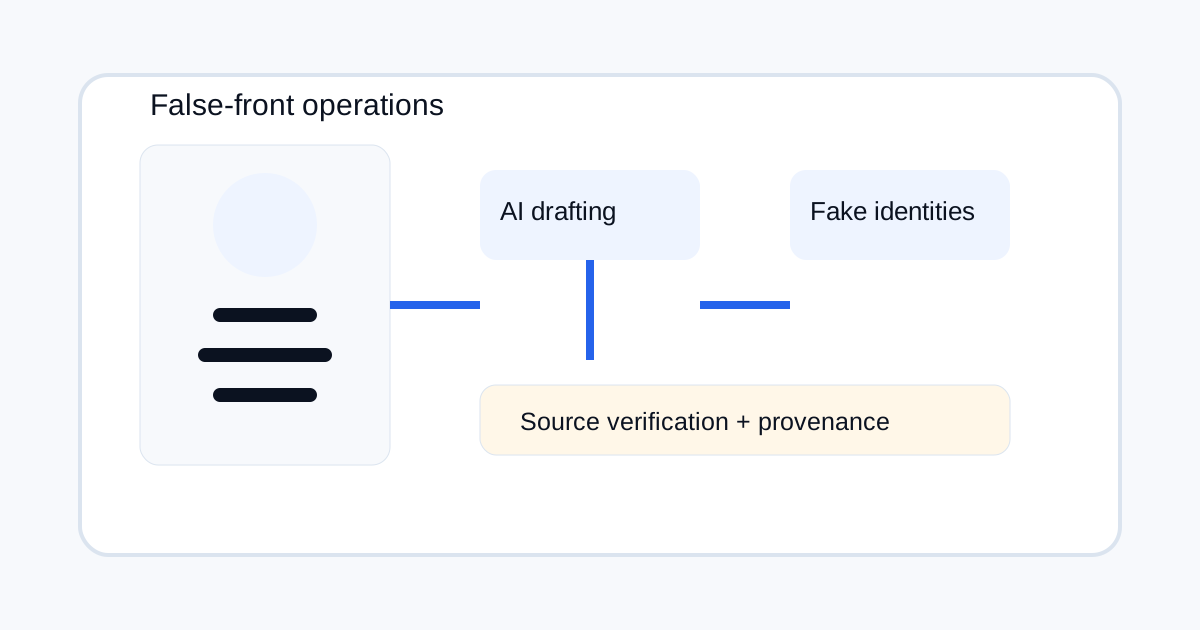
OpenAI says it disrupted two covert influence operations that used ChatGPT alongside traditional techniques to build false-front entities. The company says one operation originated from Russia and one from Iran. The important security lesson is not that AI created a new type of influence campaign. It is that familiar tactics can become easier to scale, localize and polish when AI is added to the workflow.
What OpenAI reported on October 8
OpenAI says it banned clusters of ChatGPT accounts linked to the two operations and shared information with relevant partners and authorities. The Russian operation, called Dark Clark by OpenAI, used a supposed research platform and fake personas in Latin America. The Iranian operation, called Bogus Bylines, used fake journalist personas to pitch articles to online outlets.
OpenAI says both operations used AI for internal reporting and some content work. The company also says the operators used other tools and techniques, so the cases should not be described as AI-only operations.
How the Russian operation worked
OpenAI says the Russian-linked actors used ChatGPT for internal reports, content tasks and reporting about a self-described research platform. The company says the operation appeared to control a fake persona running the platform and that unwitting people in Latin America may have worked for it without knowing the connection.
OpenAI says the operation also created fake documents, audio scripts and other material. Some claims made by the operators could be matched with public evidence, while other claims could not be independently corroborated.
How the Iranian operation worked
OpenAI says the Iranian-linked group used a set of journalist personas to pitch long-form articles and also generated batches of social media comments. Some accounts were presented with Western-looking identities while transparency information indicated connections to Iran.
OpenAI also found cases where the operators used ChatGPT to improve internal reports about their own performance. The company says some of their impact calculations were misleading because they used broad post-level view counts instead of measuring the actual response to their comments.
Why AI makes false-front operations harder to spot
OpenAI says AI can give these operations more scale, efficiency, language fluency and editorial ability. That matters because a campaign no longer needs to publish obviously poor machine-written text to look organized.
The bigger problem is identity. A polished article is not evidence that the publisher, author or research group is genuine. A website can look professional while the organization behind it is being controlled by someone else.
What security and editorial teams should change
- Verify who owns a publication or research organization before treating it as an independent source.
- Check author history, domain history and contact information when a source is unfamiliar.
- Compare important claims with primary documents or direct statements.
- Do not use writing quality as a trust signal by itself.
- Record source provenance when publishing or amplifying sensitive claims.
For AI systems, the same idea applies to internal workflows. Agent logs, account identity, tool permissions and approval records can help teams understand who initiated an action and what the system actually did.
What OpenAI does not claim
OpenAI does not say that every article or social post from the named operations was AI-generated. It also warns that the operators sometimes exaggerated their own impact and that some reported activity could not be corroborated. Those limits matter when interpreting the report.
What this means for AI content and SEO teams
Search and AI visibility work increasingly depends on trusted sources. A page that cites a fake think tank or unattributed content can spread a weak claim even when the writing looks professional.
For content teams, the safer workflow is simple: identify the original claim, open the primary source, record the publication date, and keep a clear link between the statement and its evidence. Do not treat polished AI-assisted prose as evidence.
Sources
- OpenAI: Disrupting AI-enabled false-front operations
- Brookings: Breakout Scale for influence operations